Monthly Salary Validation: Why Your Salary Was Not Paid and How Validation Works (2026)
Most salary problems that look like “CAGD has not paid me” start one step earlier, inside your own institution. Before CAGD processes a month’s payroll, the people on it have to be validated. If your name is not validated, your salary for that month is not processed. It does not matter that you worked the full month.
This page explains what monthly salary validation is, who is responsible for it, how much time they get, and what you can do when your name is missed.
What monthly salary validation is
Validation is the monthly check that confirms which employees under a management unit should be paid for that month. It runs through the Electronic Salary Payment Voucher system, known as E-SPV, which sits between your institution and CAGD’s payroll database (IPPD2).
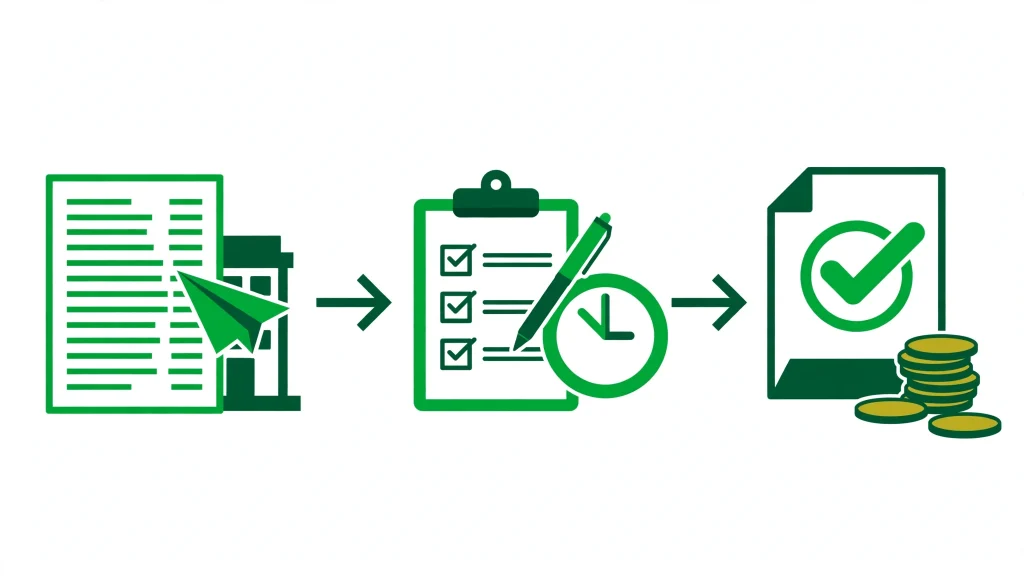
The flow is simple. CAGD prepares a test payroll for each management unit. The unit’s validators review the names on it against who actually works there: staff who have retired, resigned, died, gone on study leave or transferred out should come off, and everyone still at post stays on. The unit sends its feedback to CAGD, and CAGD then runs the final payroll from the validated list.
The point of the exercise is to stop the government paying people who should no longer be on the payroll. Ghost names and payments to separated staff are the problems validation exists to catch.
Who validates your salary
Not you, and not CAGD. Validation is done by your head of management unit: your headteacher if you are a teacher, your hospital administrator, your director, or whoever heads the unit you are posted to. Employers such as the Ghana Education Service manage their staff records on their own HR systems, and the validated results feed into the payroll CAGD runs.
This is why the advice “go to CAGD” rarely fixes a validation problem quickly. The correction has to start with the office that validates you. Your institution’s HR unit is the first stop, because they work with the validators and can see whether your name went through.
The 48-hour window
Validation is not open all month. When CAGD issues the test payroll, management units get a short window to review it and return feedback: 48 hours. A validator who misses that window does not get a second chance for that month’s run, and the staff under that unit are the ones who feel it.
In practice, most validation failures are boring administrative misses rather than deliberate removals. The validator was away. The feedback was started and never submitted. A newly posted teacher or a staff member who just returned from leave was left off the list. The outcome for the employee is the same whatever the reason: no validation, no salary that month.
What happens if your name is not validated
Your salary for that month is not paid. There is no partial payment and no automatic fix inside the same month’s payroll.
Once the omission is corrected, the unpaid salary is normally treated as an arrear and paid later, but later can mean a following month’s payroll or a supplementary run, and it moves at the speed of the paperwork. Anyone who has chased arrears knows it is far easier to prevent a validation miss than to recover from one.
A related trap: identity problems can block you even when your validator does everything right. In September 2026, CAGD suspended the salaries of 2,777 workers whose Ghana Card details did not match their payroll records. If your Ghana Card information is wrong on the payroll, fix it with your HR unit now rather than during a pay run. Our Ghana Card fix guide covers that process.
How to know whether you were validated
Employees cannot check a validation tick-box themselves, but there are two practical signs. The first is your payslip: if a payslip for the month has been generated on the portal, your salary passed the main processing stages. Our check ePayslip guide shows how to view it.
The second is simply asking. Your HR unit can confirm whether your name was included in the month’s validation. If your salary date has passed and colleagues in your unit were paid while you were not, check the payment dates in our salary schedule post and ask HR that same week, while the correction can still join a supplementary run.
What to do if your salary was not paid
- Confirm the salary was actually paid to others in your unit for that month. If nobody was paid, the delay is wider than you.
- Go to your institution’s HR unit and ask directly whether your name was validated for that month.
- If you were missed, ask HR and your head of unit to correct the record and process the unpaid salary as arrears. Get the name of the person handling it.
- Check your own records while you are there: Ghana Card details, bank account details and posting status are the usual hidden causes.
- Follow up before the next validation window, not after it, so the same miss is not repeated.